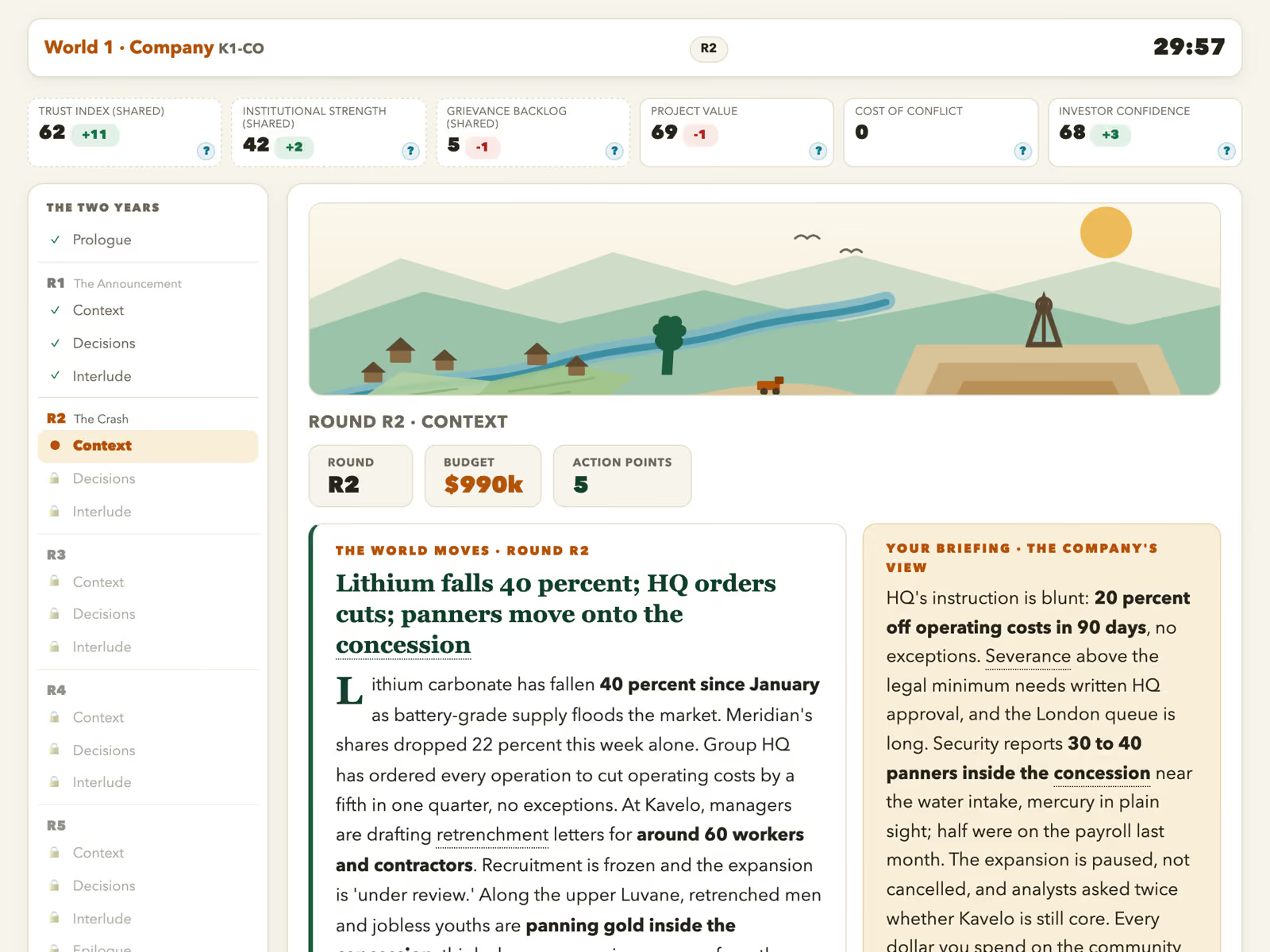
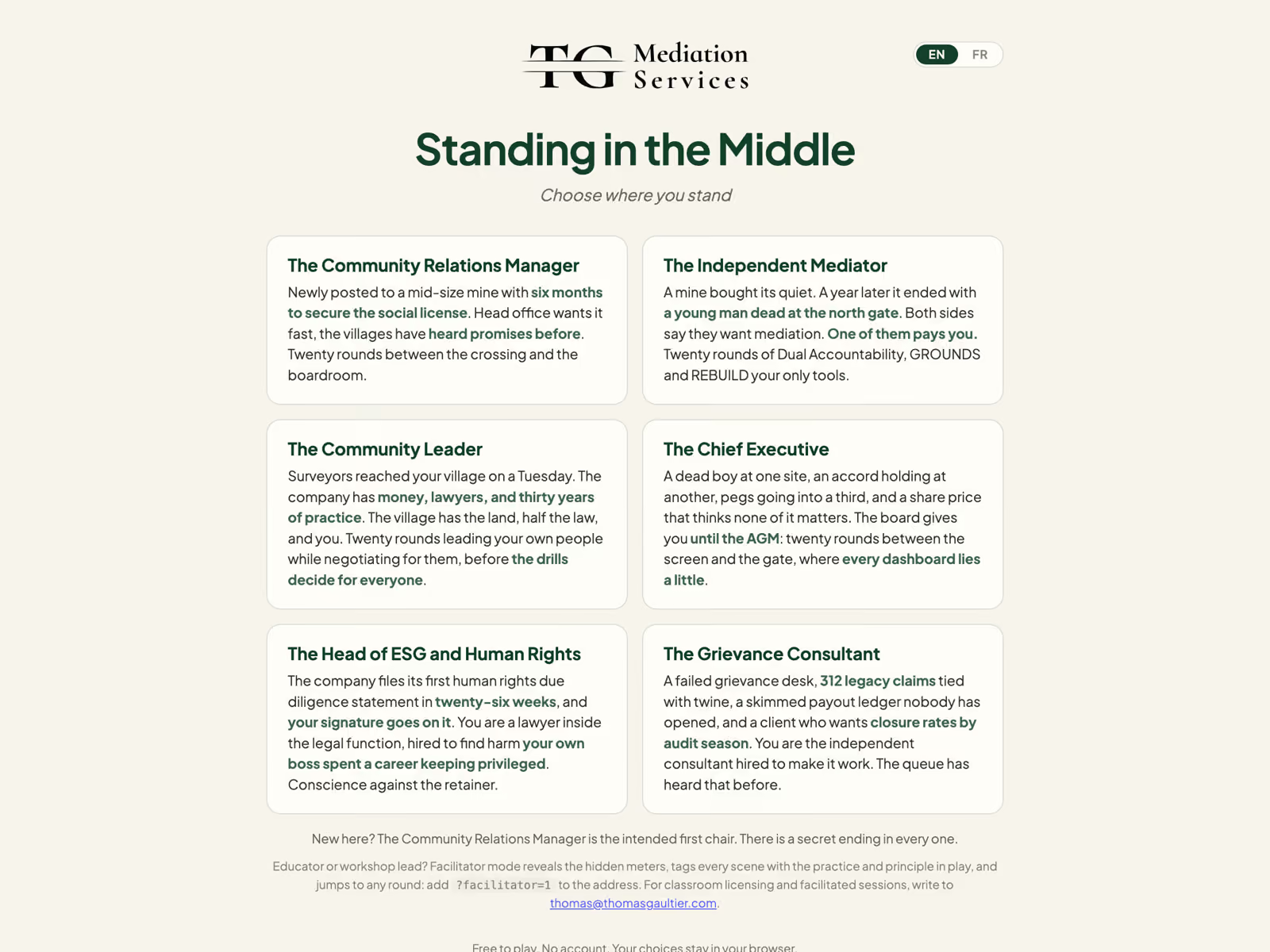
Alone, both do the same basic thing: they put you in a chair and make you live with a decision. The difference is what happens after that. Standing in the Middle is free to play: all six chairs, as many times as you like, and it stays that way. The Accord Game is free to try: one solo game, which is enough to know whether you want the room to have it.
With a group they diverge, and that is where the choice actually sits. The Accord Game runs company tables and community tables through the same world in parallel, then reports on what happened: decision and behavioral dynamics per table and per world, laid over what each side believed was going on at the time. It is built for rooms that want evidence of how they decide under pressure, not just the experience of having decided.
Standing in the Middle asks less of the room and something different of the people in it. Everyone takes a different seat on the same story, plays it through, and then the group talks: what you chose, what it cost, and what looked obvious from your chair and impossible from the one next to you. No facilitator, no slot in a program, no scheduling.
Run one before the other and they compound. People who arrive at a facilitated session having already sat in a chair arrive knowing that the other one has reasons, which is most of what the first hour usually has to establish.